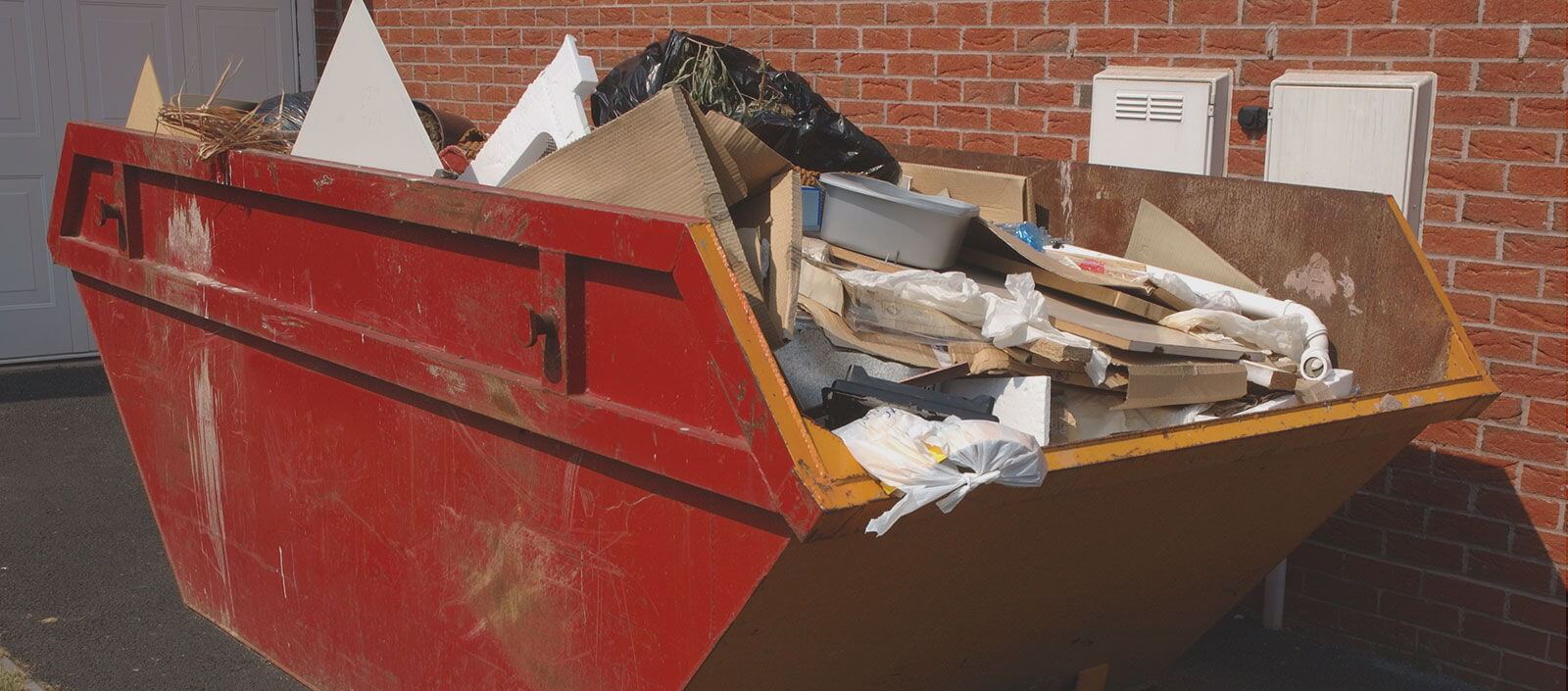
Waste Removal in St John’s Wood
Waste Removal St John’s Wood provides a straightforward waste removal service in St John’s Wood for homes, flats, landlords and businesses that need unwanted items taken away responsibly. The work can cover everyday rubbish, bulky items, accumulated household contents and lighter commercial clearances, with attention given to sorting, loading and disposal. If you need a tidy-up before a move, a refurbishment or a routine clear-out, the service is built around practical removal rather than disruption.
For a broader view of what is covered, see the services overview alongside the main waste removal page. These pages help explain the available work areas, while the prices and pricing and quotes pages are useful if you want to understand how a quotation is usually prepared. Start with the type of waste you want removed, then ask for a quotation when you are ready.
Our approach is designed to keep the process simple: you identify the items, we remove them, and the load is handled through the appropriate disposal route. That makes it easier to deal with bulky, mixed or awkward waste without needing to organise transport yourself. If you already know the category of waste, you can move quickly to the relevant service page; if you are unsure, the main service summary is a good place to begin. You can also use the contact page to request a quotation when the scope is clear.
Domestic waste removal for everyday clear-outs
Domestic waste removal is often needed when a home starts to accumulate items that are no longer useful but are too much for ordinary household bins. This can include bags of general rubbish, broken household goods, old storage contents or mixed waste left after tidying a room, cupboard or hallway. The aim is not simply to take things away, but to clear space in a way that is orderly and suitable for the kind of property being worked in, whether it is a house, flat or converted building.
If your focus is a home clear-out, the domestic waste collection service gives a more specific route for that type of job. Some domestic clearances are best handled by separating reusable furniture from general rubbish, while others are mainly about removing smaller mixed waste from a loft, cupboard or storage area. In either case, it helps to choose the most appropriate page before sending a quotation request, because the type of waste has a direct effect on the work involved.
When preparing an enquiry, it is useful to note what needs removing, roughly how much there is and whether any items are awkward to carry or access. Clear description is more helpful than guesswork, especially where waste has been gathered in more than one room or where access may affect loading. If you are ready to take the next step, request a quotation and choose the page that best matches the waste you need removed.
Furniture, appliances and bulky item disposal
Items that need careful handling
Bulky item removal is often about shape, weight and access as much as volume. Sofas, wardrobes, tables, mattresses and similar items can be difficult to move through narrow hallways or tight stairs, especially in older properties. Appliance disposal can also require a separate approach because white goods may need careful handling and appropriate onward processing. The practical question is usually whether the items can be taken out safely and efficiently without disturbing the rest of the property more than necessary.
For larger household items, the relevant pages are the furniture disposal and white goods and appliance disposal services. Where furniture and other contents are being removed together, the furniture removal page is also relevant. Choosing the right destination makes it easier to describe the work accurately, particularly if the job includes a mixture of soft furnishings, wooden furniture and appliances.
Before asking for a quote, it helps to separate items into broad groups: furniture, appliances, general rubbish and anything that may need special handling. That simple structure makes the enquiry easier to assess and reduces the chance of overlooking something important. If you are comparing options, look first at the item type rather than the room it came from; the disposal method depends more on the material and shape than on the location inside the property.
Builders waste and light renovation debris
Builders waste removal is suited to debris created by refurbishment, repair and improvement work. It may include broken plasterboard, timber offcuts, packaging, tiles, old fixtures or mixed renovation rubbish left after a room has been stripped or updated. The service is useful when a project is too small for a skip but still produces more waste than ordinary household collections can manage. The emphasis is on clearing the site of the material created by the work.
The dedicated builders waste disposal page is the best starting point if the waste comes from renovation or construction activity. Some projects also overlap with household contents, for example when old cupboards, broken shelves or outdated fittings are removed during the same job. In those cases, it is sensible to describe both the building debris and any bulky items so the quotation reflects the actual mix.
Mixed loads are common on refurbishment jobs, so it is worth checking whether the waste includes sharp, heavy or dusty material that needs to be loaded separately from lighter items. You do not need to write a long list, but a concise summary of the main categories is useful. If the job is urgent or part of a staged project, make that clear when you request a quotation so the scope can be understood properly.
Clearance services for larger household and business spaces
Some jobs are less about individual items and more about clearing an entire room or stored collection. House clearance can involve furniture, general waste, mixed contents and leftover household items after a move, declutter or property handover. Loft clearance is similar in principle but often differs in access, as items may need to be carried down from a confined or awkward storage space. Office clearance usually focuses on desks, chairs, cabinets, archived material and other non-essential workplace contents.
The relevant pages are the house clearance, loft clearance and office clearance services. Each one has a slightly different focus, even though all of them centre on removing unwanted contents from a space. House clearance often suits more varied loads, whereas office clearance is usually shaped by fittings and furniture associated with work premises. Loft clearance, by contrast, is often influenced by access and the condition of stored items.
Where a room or storage area contains a mixture of waste and usable items, it is helpful to explain which parts are staying and which are going. A short summary of access, floor level and item type is enough to begin with. Good preparation here is about clarity, not paperwork, and it allows the enquiry to be matched to the right clearance page before any quotation is prepared.
Commercial waste removal and business premises
Working around workplaces and managed buildings
Commercial waste removal is designed for businesses that need unwanted items taken away from premises used for trading, administration or customer service. This can include office furniture, packaging, surplus stock, general rubbish or mixed contents created during a relocation or clear-out. In managed buildings, the work may also need to take account of loading arrangements, shared access points and the need to keep disruption to a minimum while items are being removed.
The dedicated commercial waste removal page is the right place to start for office and premises-based clearances. If the main task is to remove desks, seating or storage units from a workplace, the office clearance page may be more precise. For some businesses, the job is mainly routine rubbish collection rather than full clearance, in which case the distinction between general and commercial waste is useful when you describe the work.
Before requesting a quotation, it is sensible to note whether the waste is mainly furniture, mixed rubbish or archived material, and whether there are any restrictions on access during the day. That makes the enquiry easier to interpret and avoids having to restate the job later. If your premises are being reorganised or handed back, a brief explanation of the end point is helpful because it shows how complete the clearance needs to be.
About St John’s Wood
St John’s Wood is a district in northwest London, forming part of the City of Westminster and known for its residential character, garden squares and tree-lined streets. Historically, the area developed from land once associated with the Knights of St John, whose medieval estate gave the district its name. Over time it became a fashionable suburban retreat, particularly in the nineteenth century, and much of its built environment still reflects that period of expansion. The neighbourhood’s streets include a mix of terraces, mansion blocks and detached houses, with several conservation-minded pockets that preserve a quieter urban feel than the main commercial thoroughfares nearby. Abbey Road is among the best-known streets in the district, and Lord’s Cricket Ground sits close to the southern edge, adding to the area’s strong association with music, sport and London’s cultural history. Regent’s Park lies to the east, while Primrose Hill and Marylebone are within easy reach, placing St John’s Wood among some of the capital’s most recognisable inner-London districts. The local atmosphere is shaped by a blend of domestic streets, embassies, professional practices and independent shops, with St John’s Wood High Street providing a compact centre of activity. Public transport links, including the Underground, connect the district to central London, yet its layout and streetscape retain a notably village-like quality in parts. This combination of heritage buildings, open green spaces and active neighbourhood life gives the area a distinctive identity within Westminster.
Waste types, sorting and responsible disposal
Good waste removal is not only about taking items away; it also depends on sorting them sensibly so that each load follows the right route. Mixed waste, furniture, appliances and renovation debris can each need different handling, and certain items may be separated for further processing rather than treated as ordinary rubbish. The right service page helps set expectations about the kind of material involved, while the quotation itself should reflect the actual mix rather than a rough guess.
If recycling and careful disposal are important to your decision, the recycling and sustainability page explains the broader approach, and the waste carrier licence and compliance page is useful for understanding the compliance side of the service. These pages are especially helpful where you want reassurance about the way waste is managed after collection. For a general overview of how the service is organised, the about us page can sit alongside the service pages without replacing them.
Quotation requests are usually easier to assess when the main waste categories are identified clearly. If you can say whether the load is mostly general rubbish, furniture, commercial contents or builders waste, that gives a more accurate starting point. The most useful enquiries are the ones that describe the job plainly, because they let the service be matched to the right removal method without unnecessary back-and-forth.
Quotation details and useful next steps
Price factors commonly include the type of waste, the quantity to be removed, how easy it is to access and whether the job involves heavy or awkward items. A mixed clearance may take more handling than a simple rubbish collection, and a top-floor property may need more carrying than a ground-floor one. For that reason, a quotation is most meaningful when it reflects the real conditions of the job rather than just an approximate size estimate.
Useful details to include are the main item groups, the property type, any access limitations and whether the job is part of a wider clearance or a one-off removal. If you are comparing services, choose the page that matches the dominant task first and then ask for a quotation from there. You can begin with the most relevant service page, review the pricing information and then move to the contact route when you are ready to proceed.
For a final step, use the contact us page to request a quotation. If you prefer to look at the practical side first, the payment and security page may also help before you enquire. When you are ready, send the key details and ask for a quotation so the work can be arranged around the type of waste you need removed.