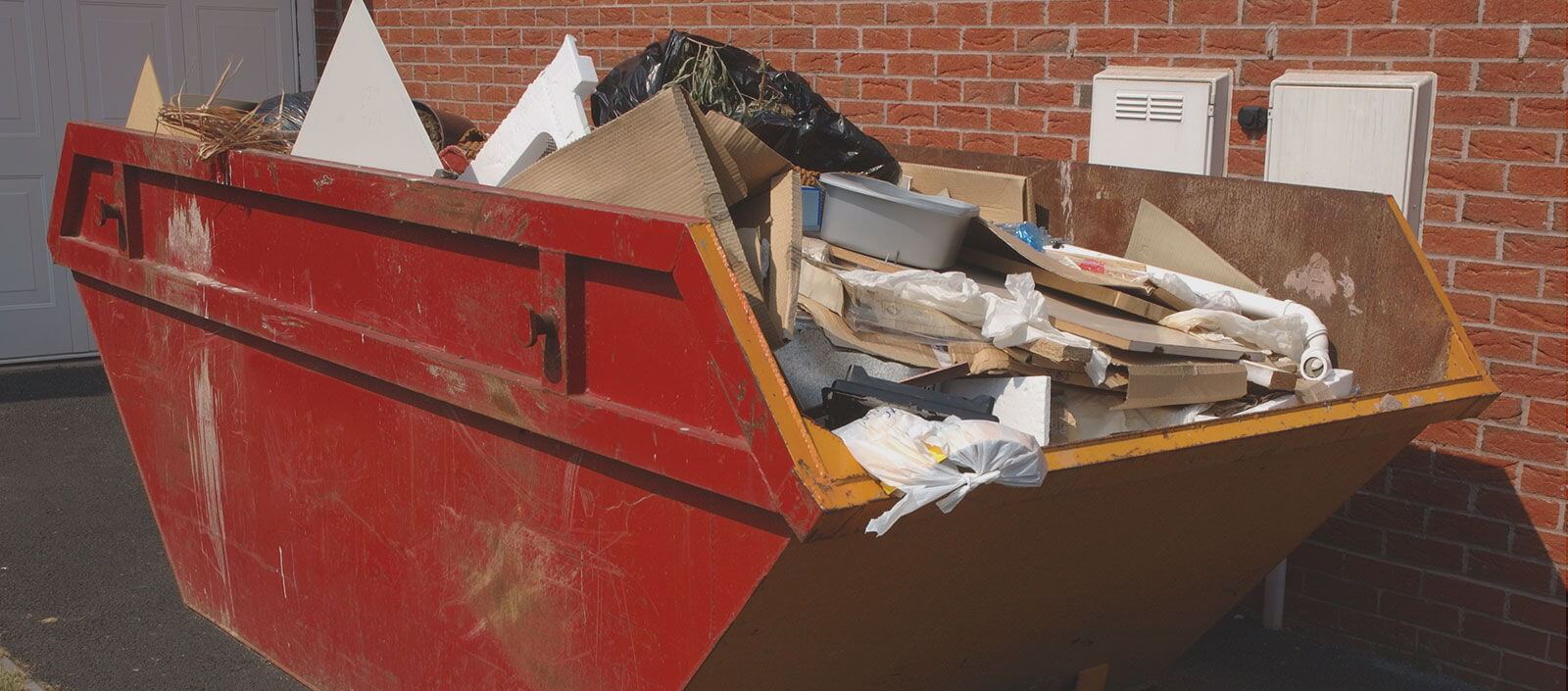
St Johns Wood rubbish removal near Lords Cricket Ground
Posted on 28/07/2026

St Johns Wood rubbish removal near Lords Cricket Ground: a practical local guide for homes, flats, and businesses
If you need St Johns Wood rubbish removal near Lords Cricket Ground, you are probably dealing with one of those jobs that feels simple at first and then turns into a bit of a headache. A broken wardrobe in a tight hallway. Builder's rubble after a refurb. Office clutter that has quietly taken over a back room. Or maybe it is just a lot of mixed household waste, and you want it gone without the faff.
This guide explains how rubbish removal in this part of north-west London works, what to expect, how to choose the right service, and how to avoid the usual mistakes that cost time, money, or both. It is written for people who want a straightforward answer, but also want to do things properly. Around Lords, that matters more than you might think.
Why St Johns Wood rubbish removal near Lords Cricket Ground matters
Lords Cricket Ground sits in a busy, well-known pocket of St John's Wood, and the surrounding streets have their own rhythm. On event days, parking gets tighter. Pavements can be busier. Access to mews properties, mansion blocks, basement flats, and managed buildings can be fiddly. If you are arranging rubbish removal nearby, all of that becomes part of the job, whether you like it or not.
That is why local knowledge counts. A good rubbish removal service does more than load items into a truck. It plans access, times the collection sensibly, handles mixed waste safely, and helps you avoid unnecessary delays. If you are clearing a flat after a move, emptying a rental between tenancies, or dealing with renovation waste, the difference is real.
There is also a practical side. When waste piles up, it affects how a property feels and functions. In a compact London street, one overflowing pile of bags can make the whole place seem disorganised. Not ideal if you are preparing for guests, selling a property, or simply trying to get your life back in order. Truth be told, people often underestimate how much calmer a space feels once the clutter is gone.
For readers who want a broader picture of the area itself, the article on life in St John's Wood gives useful local context, while this guide to the charm of St John's Wood helps explain why the neighbourhood attracts such a mix of long-term residents, landlords, and busy professionals.
How St Johns Wood rubbish removal near Lords Cricket Ground works
Most rubbish removal jobs in this area follow a simple pattern, although the details vary depending on access, the amount of waste, and what type of items need removing.
First, you describe the load. That might be a few black bags, a set of old cabinets, mixed renovation waste, an appliance, or an entire property clearance. Good providers will ask what the items are, where they are located, and whether there are any awkward access points. In a dense neighbourhood near Lords, that question about access is not just admin. It matters.
Next comes pricing and scheduling. Some collections are based on the amount of space your waste takes up in the vehicle, while others depend on the type of waste and the labour involved. A staircase walk-up, for example, often takes longer than a ground-floor pickup. If items need dismantling, that changes the picture too.
Then comes the actual collection. A crew will usually arrive, confirm the load, move items out safely, and sweep up once they are done. For many people, that hands-on part is the point. You do not need to hire a skip, fill it yourself, and manage permits. You simply get the job done.
Finally, responsible disposal should follow. Waste should be sorted for reuse, recycling, or disposal in line with accepted UK practice. If a company is properly set up, it should be able to explain how it manages waste streams and why certain items need special handling. You should never feel awkward asking that. In fact, you should ask it.
If you want to see the wider range of help available, the services overview gives a useful snapshot, and the page on waste removal in St John's Wood is a natural next stop when you are comparing broader options.
Key benefits and practical advantages
There are plenty of reasons people choose rubbish removal instead of trying to shift everything themselves. Near Lords, the practical advantages are even more obvious because the area is busy, residential, and often access-sensitive.
- Speed: You can clear a space without waiting for multiple council collection cycles or spending a weekend moving things by hand.
- Less disruption: This matters in shared buildings, narrow streets, and properties where noise or stair traffic needs to be kept down.
- Better for mixed waste: One collection can often handle furniture, general rubbish, small appliances, and builder's waste, depending on the provider and the load.
- Safer handling: Heavy items, sharp edges, broken glass, and awkward furniture are easier to manage with trained collectors.
- Cleaner finish: A proper service should leave the area tidy instead of just taking the obvious bits and leaving scraps behind.
There is also the emotional benefit people rarely talk about. Getting rid of clutter can be oddly energising. You open a cupboard, breathe out, and suddenly the room feels usable again. Small thing, big difference.
For landlords and agents, there is a business angle too. A cleared flat can be turned around faster between tenancies. For shop or office spaces, it can reduce downtime. If you are managing property in the area, that links neatly with the advice in how to buy property in St John's Wood and smart realty investment in St John's Wood, because ongoing upkeep is part of the bigger ownership picture.
Who this is for and when it makes sense
This kind of service is useful for a surprisingly wide range of people. The most obvious are homeowners and tenants, but that is only part of the story.
Homeowners often need help after a clear-out, a refurbishment, or a downsizing move. In St John's Wood, many homes have multiple floors, cellars, lofts, or awkwardly placed storage areas. That makes DIY removal more annoying than it sounds on paper.
Renters often use rubbish removal when leaving a flat, especially if they have bulky items to dispose of before check-out. Nobody wants to leave behind an old bed frame and then deal with a stressful last-minute scramble. Been there, or at least seen enough of it to know.
Landlords and letting agents often need a quick turnaround after tenants move out. A property that is stripped of unwanted items feels easier to inspect, clean, photograph, and re-list.
Builders and renovators need a practical route for rubble, timber offcuts, packaging, old fixtures, and broken fittings. If your project is small to medium in size, a flexible collection is often easier than a skip.
Offices and small businesses in and around the area may need help disposing of desks, chairs, filing cabinets, storage, and general fit-out waste. If you are juggling business hours and limited loading space, timing becomes everything.
For office and commercial users, the pages on commercial waste removal and office clearance are especially relevant.
Step-by-step guidance
Here is a simple way to organise the process so it stays manageable. Nothing fancy. Just a clear sequence that works.
- Sort what needs to go. Separate general rubbish, recyclable materials, furniture, appliances, and building waste if possible. Even a rough sort helps.
- Identify awkward items. Note anything heavy, fragile, sharp, oversized, or difficult to move down stairs. Mention it early.
- Check access. Think about parking, lift availability, narrow hallways, timed building entry, and whether the crew will need help from building management.
- Get a clear price. Ask how the quote is based, what is included, and whether labour, disposal, or congestion-related complications may affect the final cost.
- Prepare the space. Put aside what you are keeping. If possible, keep the waste in one easy-to-access area to speed things up.
- Confirm timing. If you live near event traffic around Lords, choose a collection window that gives you the best chance of smooth access.
- Watch the handover. On the day, walk the crew through the load. That usually avoids a few misunderstandings, which is nice for everyone.
- Ask what happens next. If you want reassurance, ask how the waste will be handled and whether recyclable items are separated.
For household clear-outs, you may also find the more specific pages helpful, such as domestic waste collection, house clearance, and loft clearance.
Expert tips for better results
After enough local clearances, a few patterns become obvious. The jobs that run smoothly usually have three things in common: good preparation, realistic timing, and honest communication. Sounds simple because it is, but people still skip them.
Tip 1: photograph the waste before collection. Even a couple of quick photos on your phone can help confirm the load and reduce back-and-forth later. If you are dealing with mixed items, this is especially helpful.
Tip 2: keep one "do not remove" area. It sounds obvious, but when a room is half-cleared, people sometimes lose track of what should stay. Mark a corner or a room so nobody accidentally drags the wrong thing out.
Tip 3: be realistic about dismantling. A wardrobe that looks light enough on its own can become a very different object once it has to pass through a narrow stairwell. If it might need taking apart, say so.
Tip 4: think about recycling first. If an item can be reused or separated for recycling, it is worth mentioning. Responsible operators often prefer this anyway, and it aligns with the approach discussed on the recycling and sustainability page.
Tip 5: avoid peak disruption where you can. Around Lords, that might mean staying away from event-heavy periods if your access is tricky. A quiet Tuesday morning can be a lot easier than a crowded match day. Sometimes boring timing is the smart move.
And one more, slightly underrated tip: make sure someone responsible is reachable by phone during the collection. It saves a silly amount of stress if the crew has a question about access or item identification.

Common mistakes to avoid
Most rubbish removal problems are avoidable. The awkward part is that they are usually avoidable in very ordinary ways.
- Underestimating the volume. A few extra bags can change the job size more than you expect.
- Forgetting building rules. Some blocks have lift-booking requirements, loading restrictions, or quiet-hour expectations.
- Mixing hazardous items in without checking. Paint, chemicals, batteries, and some electrical waste may need special treatment.
- Choosing a provider on price alone. The cheapest quote can become expensive if it excludes labour, access issues, or disposal details.
- Not asking about licensing or insurance. More on that in the compliance section, because yes, it matters.
- Leaving sorting until collection day. That is when everyone starts hurrying, and mistakes creep in.
One thing that catches people out locally is parking. A collection crew may be perfectly ready, but if there is nowhere sensible to stop, the whole job slows down. That is why planning in St John's Wood often matters more than in less congested areas. Not glamorous, but very real.
Tools, resources and recommendations
You do not need a complicated toolkit for rubbish removal, but a few basic things make the process smoother.
- Strong bin bags or rubble sacks: useful for smaller mixed waste and bagged household items.
- Labels or tape: handy for separating keep, donate, recycle, and remove piles.
- A tape measure: useful for checking whether bulky items will fit through doors and stair turns.
- Phone camera: the quickest way to document a load or send useful photos for a quotation.
- Basic gloves and sturdy footwear: especially if you are doing any pre-sorting yourself.
In terms of service selection, it helps to review a company's public information before booking. Pages such as about us, waste carrier licence and compliance, insurance and safety, pricing and quotes, and payment and security are good starting points because they help you understand how the business operates and what standards it follows.
If you are a business user, it can also help to compare broader service pages against your specific need, especially if you are deciding between a one-off clearance and an ongoing collection arrangement. That one choice can save a surprising amount of admin later on.
Law, compliance, standards, and best practice
Waste removal in the UK is not just a logistics task; there are compliance expectations too. You do not need to memorise every rule, but you should know the basics.
First, a legitimate waste carrier should be able to show that it is authorised to transport waste. If a provider cannot or will not explain that clearly, walk away. It is not worth the risk.
Second, waste should be handled responsibly. That means separating recyclable materials where possible, dealing carefully with electrical items, and following accepted disposal routes for any restricted or potentially hazardous items. Good operators should be able to speak plainly about this without sounding evasive.
Third, landlords, businesses, and property managers should remember that duty of care is not just a slogan. If you hand waste to the wrong person or dump it without checking where it goes, you may still face problems later. Better to be slightly over-cautious than regretful.
Fourth, if you are clearing commercial premises, there may be additional expectations around documentation, access, and timing. That is especially true for managed buildings, offices, and units close to busy roads or event traffic. A small amount of planning saves a lot of irritated phone calls. And yes, those calls always seem to come at the worst time.
For readers who prefer the practical side of green disposal, the article on green initiatives on college campuses may sound unrelated at first, but it is actually a useful reminder that waste planning works best when reuse and recycling are built in from the start.
Options, methods, and comparison table
If you are deciding how to handle rubbish near Lords Cricket Ground, you will usually be weighing up a few methods. Here is a plain-English comparison.
| Method | Best for | Pros | Trade-offs |
|---|---|---|---|
| Man and van rubbish removal | Mixed household waste, furniture, small clearances | Fast, flexible, labour included | Pricing depends on volume and access |
| Skip hire | Longer projects and larger DIY jobs | Good for ongoing waste generation | Needs space and may need permits |
| Council-style disposal route | Smaller, low-frequency disposal needs | Can work for simple items | Often less convenient for bulky or urgent jobs |
| Specialist clearance service | House clearances, offices, lofts, bulky loads | Useful for bigger, more complex removals | May cost more, but can save time and stress |
For many people near Lords, a labour-led rubbish removal service is the sweet spot. It fits London access realities better than a skip, especially where parking is limited or there is little room to store waste outside. But if you are doing a renovation over several days, a skip may still make sense. It depends on the project, not the brochure.
Case study or real-world example
Here is a realistic example from the sort of job that comes up all the time in St John's Wood.
A couple in a mansion block a short walk from Lords had just finished redecorating. They had an old sofa, two wardrobes, a broken chest of drawers, a stack of packaging, and a few bags of general rubbish from the works. They also had a tight loading bay and a lift that needed booking in advance. Nothing dramatic. Just enough friction to make the job annoying if handled badly.
Instead of trying to break everything down themselves over a weekend, they arranged a collection, sent photos in advance, and made sure building management knew the crew was coming. The items were removed in one visit, the hallway stayed clear, and the flat felt immediately more usable. That is the sort of result people want, really. Quick, tidy, done.
The key lesson was not speed alone. It was coordination. Once the access issue, item list, and timing were handled properly, the whole job became straightforward. In a busy local area, that is often the difference between a smooth day and a mildly miserable one.
Practical checklist
Use this checklist before you book or on the morning of collection. It keeps things calm.
- Identify exactly what needs removing
- Separate keep, donate, recycle, and remove piles
- Measure bulky items and note access issues
- Check whether the building needs advance notice
- Confirm whether parking or loading access is available
- Ask how the quote is calculated
- Check whether the provider is licensed and insured
- Flag any special waste items in advance
- Keep hallways and entrances clear
- Have a contact person available on the day
If you are clearing a property rather than just a pile of waste, the more specific services on furniture disposal, furniture removal, white goods and appliance disposal, and builders waste disposal may help you narrow things down.
Conclusion
St Johns Wood rubbish removal near Lords Cricket Ground is really about making a local challenge feel manageable. The area is attractive, busy, and often access-sensitive, which means the right approach is not always the most obvious one. Plan the load, think about access, choose a responsible provider, and keep the process clear from the start. That is usually enough.
Whether you are clearing a flat, sorting out a refurb, or simply trying to reclaim a room that has become a storage zone, a well-run collection can make life feel lighter very quickly. And honestly, that little bit of breathing space can change the whole mood of a home or workplace.
Get a free quote today and see how much you can save.
Sometimes the best move is the simplest one: clear the clutter, keep what matters, and let the rest go.