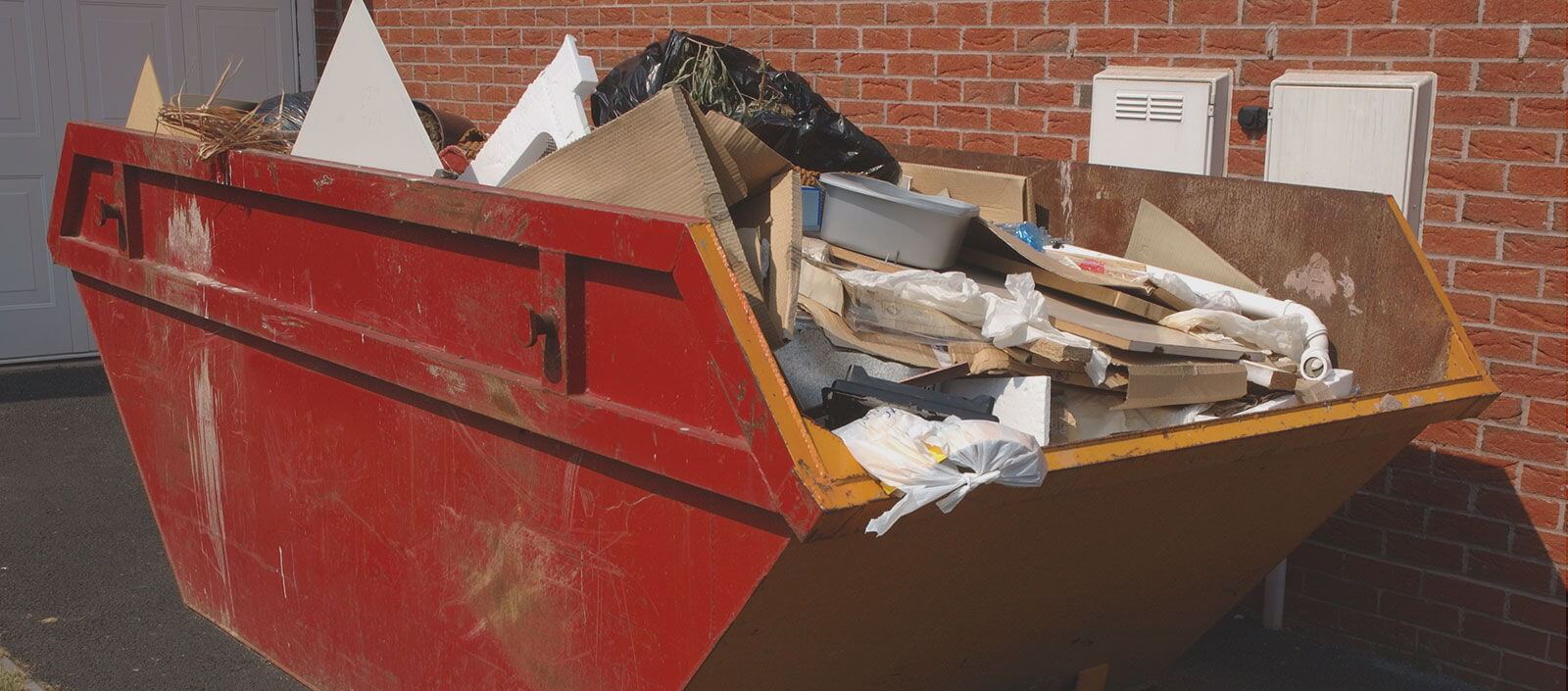
NW8 rubbish removal for St Johns Wood residents
Posted on 03/09/2026

NW8 rubbish removal for St Johns Wood residents: a practical local guide
If you live in St Johns Wood, rubbish builds up in the usual London way: a bit at a time, then all at once. One week it is a broken wardrobe in the hallway, the next it is builders' bags, an old mattress, or a few bin liners that somehow multiplied while you were not looking. That is where NW8 rubbish removal for St Johns Wood residents becomes more than a convenience. It is a straightforward way to keep homes, flats, mews properties, and small businesses clear without turning disposal into a weekend headache.
This guide explains how rubbish removal works in NW8, what to expect, when it makes sense, and how to choose the right service for the job. We will also cover compliance, common mistakes, and a few local realities that matter more than people think in an area like St Johns Wood. Let's face it, space is precious here. You want the job done properly, quietly, and with as little fuss as possible.
Why NW8 rubbish removal for St Johns Wood residents matters
St Johns Wood has a particular rhythm. Homes can be compact inside but valuable, carefully kept, and often shared by families, professionals, landlords, or long-term residents who do not want clutter sitting around for days. A single bulky item can disrupt a hallway, a shared entrance, or a basement store room. A small pile of waste can quickly become a bigger job if it is left "until the weekend".
In practice, rubbish removal in NW8 matters for three reasons: keeping spaces usable, reducing stress, and avoiding disposal mistakes. A damaged sofa or old appliance is not just ugly. It can block access, create trip hazards, attract dust, and complicate routine cleaning. For landlords and managing agents, the stakes are even higher because waste left behind after a tenancy or refurbishment can delay the next move-in. That is never fun for anyone.
There is also the local factor. In an area like NW8, streets can be busy, parking can be awkward, and building access is not always simple. A service that understands how to work around these realities can save a great deal of time. If you want a broader overview of the services available, the services overview is a useful place to start.
And then there is the sustainability angle. Many residents now want removal services that sort, recycle, and divert as much as possible away from landfill. That expectation is becoming normal, not niche. If that matters to you, it is worth reading about recycling and sustainability as part of the decision-making process.
How NW8 rubbish removal for St Johns Wood residents works
Most rubbish removal jobs follow a fairly simple pattern, although the details vary depending on access, volume, and item type. In plain English, the service is usually built around collection, loading, transport, sorting, and lawful disposal or recycling.
First, you describe what needs to go. That may be a few bags, a broken wardrobe, end-of-tenancy waste, or mixed household clutter. In some cases, a photo is enough to judge the load. In others, the team may need a clearer description because heavier items, builder's waste, or white goods can change the time and vehicle required.
Next comes scheduling. Good local rubbish removal is designed to fit around London life, so collection windows tend to be flexible. That matters if you are dealing with residents' parking, narrow access, concierge rules, or a flat above street level. You would be surprised how often the "hard part" is simply getting the waste out of the building safely.
On the day, the crew arrives, assesses the load, and removes the agreed items. Reliable teams should work carefully around walls, stairwells, lifts, and shared areas. If you have ever watched someone try to haul a bulky sofa through a tight Victorian stairwell, you will know why this matters. One bad move and suddenly there is scuffed paint, annoyed neighbours, and a longer job than planned. Not ideal.
After loading, the waste is transported for appropriate handling. That can include recycling facilities, reuse channels for suitable items, or disposal routes for general waste. For a closer look at disposal pathways and related services, you may find the rubbish collection in St Johns Wood page helpful, especially if your needs are more routine than one-off.
Key benefits and practical advantages
The obvious benefit is convenience, but the real value goes further than that. For St Johns Wood residents, the right rubbish removal service can solve problems that build slowly in the background.
- Time saved: no repeated car trips, lifting, queuing at disposal sites, or sorting everything alone.
- Better access: keeping hallways, balconies, and storage areas clear makes daily life much easier.
- Reduced physical strain: heavy furniture, appliances, and bags are not worth a strained back.
- Faster property turnaround: useful for landlords, sellers, and anyone preparing for guests or move-in day.
- Cleaner presentation: which matters if you are living in a high-spec flat or managing a rental.
- More responsible disposal: mixed loads can be separated for recycling where possible.
There is also a subtle but real mental benefit. Clutter has a way of lingering in your head. A spare mattress in the spare room. An office desk in the dining room. A pile of old packaging "temporarily" stored by the back door. Clearing it feels oddly refreshing, almost like the flat has taken a proper breath. Tiny victory, but a genuine one.
For anyone dealing with household furniture specifically, the dedicated furniture disposal in St Johns Wood service is worth considering. If the item still has some life left, you may also want to read about furniture removal and waste removal in St John's Wood as a broader option.
Who this is for and when it makes sense
Not every pile of waste needs a major clear-out. Sometimes a simple collection is enough. But NW8 rubbish removal makes sense for a wide range of people and situations.
Homeowners and tenants
If you are decluttering before a move, replacing furniture, or clearing up after renovations, a one-off collection can be the fastest route. Tenants often use rubbish removal when lease endings are looming and there is a mix of household waste, packaging, and unwanted items to deal with at once.
Landlords and letting agents
End-of-tenancy clearances can involve all sorts of leftovers: broken furnishings, old kitchen equipment, bin bags, and abandoned odds and ends. Quick collection helps protect the next rental cycle and keeps shared spaces presentable.
Busy families
Family homes accumulate more than people expect. Toys, redundant furniture, garden waste, old appliances, and loft clutter tend to arrive gradually, then suddenly all at once. A collection slot can feel like a reset button.
Small businesses and offices
For local offices, clinics, studios, and shops, waste removal may involve desk clearances, obsolete electronics, chairs, archived paperwork, or packaging. If your business is updating fit-out or reducing storage clutter, an office clearance in St Johns Wood service may be a better fit than trying to manage it piecemeal.
Builders, renovators, and trades
Refurbishment projects generate mixed waste quickly. Timber, plasterboard, packaging, fixtures, and offcuts can pile up faster than expected. If your work is light to medium in scale, builders waste disposal in St Johns Wood is often the neatest solution.
And for those dealing with domestic clutter specifically, domestic waste collection in St Johns Wood can be a more focused choice than a general clearance. Different jobs, different approach. Simple as that.
Step-by-step guidance
If you want the smoothest possible experience, it helps to treat rubbish removal as a small project rather than a random errand. Here is a clear way to handle it.
- List everything that needs removing. Be specific. "Old sofa, broken bedside table, six bags, one microwave" is better than "a bit of junk".
- Separate obvious categories. Furniture, appliances, garden waste, and builders' debris may be handled differently.
- Check access in advance. Think stairs, lifts, parking, narrow entrances, and any building rules.
- Take a few photos. This helps the team estimate the load and prepare the right vehicle or crew size.
- Remove personal items. It sounds obvious, but envelopes, keys, paperwork, and remote controls are easy to overlook.
- Ask how recycling will be handled. A good provider should explain what can be separated and where it is likely to go.
- Confirm timing and any building requirements. Some blocks want notice for lift protection or loading arrangements.
- Prepare the items for easy access. If safe to do so, gather them in one place rather than spread across the property.
One practical tip: if you are clearing a flat in St Johns Wood, plan for access first and loading second. A tidy pile by the front door means nothing if the front door opens onto a managed entrance with strict move-out rules. Those little details matter more than people expect.
If you want to read about local property routines and how waste clearance often intersects with a move, the article on how to buy property in St Johns Wood gives a useful sense of the area's housing realities. It is not about rubbish directly, but it does help frame the kind of homes and access challenges that show up here.
Expert tips for better results
After plenty of clearances, a few habits consistently make things easier. Nothing dramatic. Just the kind of practical stuff that saves time and prevents awkward moments.
- Keep mixed waste separate where you can. It helps the team move faster and makes recycling easier.
- Be honest about volume. Understating the load can lead to delays or awkward revisions on the day.
- Flag awkward items early. Heavy mirrors, broken glass, awkward mattresses, or bulky cabinets need different handling.
- Photograph access points. A quick picture of the entrance, stairwell, or parking space can be surprisingly useful.
- Schedule before stress kicks in. The calm version of the job is almost always the cheaper one in energy terms.
- Check whether items can be reused. Some furniture or appliances may not be rubbish at all, just unwanted in your home.
Here is the slightly unglamorous truth: the better you prepare, the less likely you are to pay for wasted time. And in a place where everyone seems to be in a hurry by 8:30 in the morning, that is worth paying attention to.
If your clear-out has an eco angle, green initiatives on college campuses may sound unrelated at first, but it is actually a useful reminder that sorting, reuse, and diversion are not just buzzwords. The underlying principle is the same: avoid sending usable material to waste if there is a better route.

Common mistakes to avoid
Most problems with rubbish removal come from poor preparation, not the removal itself. A little foresight prevents a lot of friction.
- Leaving it too late: last-minute clearances often cost more in stress, not just money.
- Forgetting building rules: managed blocks may require notices, loading limits, or specific access times.
- Mixing hazardous items with general waste: some materials need separate handling.
- Assuming all rubbish is handled the same way: furniture, appliances, and builders' waste often follow different routes.
- Not checking the provider's credentials: this matters for lawful disposal and peace of mind.
- Overfilling bags or boxes: if it cannot be moved safely, it slows the job down.
Another common one? Hiding a half-dismantled wardrobe behind "just a few bags" and hoping nobody notices. They will notice. Usually right away. Better to be direct and describe the real load.
For local residents who need the complete process handled carefully, house clearance in St Johns Wood can be a better route than a general rubbish pick-up, especially after a move, probate situation, or long-overdue declutter.
Tools, resources and recommendations
You do not need a lot of fancy equipment to prepare for rubbish removal, but a few simple tools make life easier.
- Heavy-duty bags or boxes: good for general clutter, soft items, and mixed lightweight waste.
- Labels or tape: useful when separating items for disposal, donation, or storage.
- Measuring tape: handy if you are clearing furniture or bulky appliances from tight rooms.
- Gloves and closed shoes: basic, but worth saying because old metal edges and splinters are no joke.
- Phone camera: best tool of all, honestly. A few images solve many misunderstandings before they start.
In terms of where to look on the site, the most useful pages depend on the type of waste you have. For recurring household needs, waste removal in St Johns Wood is a sensible general option. For furniture-heavy jobs, look at furniture disposal in St Johns Wood. For appliances, the white goods and appliance disposal page is the obvious fit.
If your clear-out is seasonal or outside-heavy, garden waste removal in St Johns Wood is more relevant than a general household collection. Different waste streams, different handling. Keeping that distinction clear usually leads to better service and less confusion.
For pricing questions, the pricing and quotes page is worth checking before you book anything. It helps set expectations and avoids that uncomfortable moment when a job is bigger than you thought. We have all been there, more or less.
Law, compliance, standards and best practice
Waste removal in the UK is not just about loading and driving away. There are compliance expectations around lawful transport, handling, and disposal. For residents, the main practical point is simple: use a provider that can demonstrate responsible waste handling and does not cut corners.
One important safeguard is ensuring the operator is properly licensed or otherwise authorised to carry waste as required. That helps reduce the risk of fly-tipping, poor disposal practices, or waste being dumped under your name. It also protects your own reputation if you are a landlord, business owner, or managing agent.
From a best-practice point of view, clear communication matters. Tell the provider what kind of waste you have, whether anything is hazardous or particularly heavy, and what access looks like. If they ask for photos, send them. If they mention building protection or extra manpower, take that seriously. It is usually not overcautious, just experienced.
You can also look for sensible safety practices. The site's insurance and safety information is useful if you want reassurance around working methods and risk awareness. For broader business trust signals and company background, about us helps give context.
For environmentally minded residents, disposal should ideally align with reuse and recycling where suitable. That does not mean every item can be saved or repurposed. It means making the effort to sort sensibly and avoid wasteful disposal when a better route exists.
If you are ever unsure about item-specific handling, a cautious approach is best. Appliances, certain building materials, and unusual waste types are worth clarifying before collection day. A short question now is cheaper than a problem later.
Options, methods, or comparison table
There is more than one way to clear rubbish in NW8. The right choice depends on volume, item type, urgency, and how much lifting you want to do yourself.
| Method | Best for | Pros | Trade-offs |
|---|---|---|---|
| General rubbish collection | Day-to-day waste, bags, small mixed loads | Simple, quick, practical for regular needs | May not suit bulky items or large clear-outs |
| Bulky item removal | Sofas, mattresses, wardrobes, appliances | Removes awkward items without you lifting them far | Access and weight can affect planning |
| House clearance | Full or partial property clear-outs | Good for larger jobs, move-outs, inherited properties | Requires more preparation and sorting |
| Office clearance | Business furniture, fittings, paper waste | Efficient for workplace resets and refurbishments | May need coordination with building or managers |
| Builders waste disposal | Refurbishment debris, offcuts, packaging | Suited to renovation and trade work | Not ideal for mixed household clutter unless assessed properly |
A quick rule of thumb: if the job is mostly bags, go simple. If it includes furniture or mixed bulky waste, a more tailored service is usually the smarter choice. That extra bit of planning pays off.
Case study or real-world example
Picture a St Johns Wood flat after a long-planned redesign. The owners have replaced the sofa, removed an old dining table, and cleared out a spare room that had become a sort of storage annex. There are also two broken chairs, packaging from new deliveries, and a couple of appliance-sized items that are too heavy to move without help.
They start by grouping everything in one room, taking a few photos, and checking the building's access arrangements. The lift is small. The communal hallway is tidy but narrow. There is a morning slot for loading, which avoids disrupting neighbours later in the day. The waste is then removed in one visit instead of being split across several car journeys and a whole lot of hassle.
The useful part is not just that the flat is clear again. It is that the job fits the property. That is the key difference in NW8. A service can be efficient and still fail if it does not respect the space, the building, and the people living there. This sort of thing sounds minor until you try to move a bulky armchair down an elegant but awkward stairwell at 7:45 a.m. To be fair, nobody wants that.
For anyone near local landmarks or busier streets, it can also help to choose a provider that knows the area well. Articles like rubbish removal near Lords Cricket Ground and affordable rubbish clearance on St Johns Wood High Street show how local context affects scheduling, access, and pricing expectations.

Practical checklist
Use this before collection day. It keeps things tidy and reduces surprises.
- Confirm exactly what is being removed.
- Separate furniture, appliances, garden waste, and general rubbish where possible.
- Take photos of the load and the access route.
- Check lift, stair, and parking limitations in your building.
- Remove valuables, paperwork, and personal items.
- Make sure the waste is accessible and not blocked by other belongings.
- Ask about recycling and reuse handling.
- Review payment terms and booking details in advance.
- Keep your phone handy on the day in case the crew needs directions or a quick clarification.
- Do a final sweep of cupboards, drawers, and under furniture before the team leaves.
If you are handling a larger clear-out, it also helps to read the site's waste carrier licence and compliance page so you know what responsible handling should look like. It is one of those unglamorous details that matters a lot.
Get a free quote today and see how much you can save.
Conclusion
NW8 rubbish removal for St Johns Wood residents is really about making life easier without creating new problems. Whether you are clearing a flat, getting rid of a worn-out sofa, emptying a loft, or sorting waste after a refurbishment, the best service is the one that is quick, careful, compliant, and suited to the property you actually live in.
That last part is worth repeating. Suited to the property you actually live in. Not some idealised version of it. St Johns Wood homes, offices, and rental spaces have their own quirks, and good rubbish removal should work with those quirks, not against them. A tidy space has a way of calming the whole week down. Small thing, big feeling.
If you want a straightforward next step, review the relevant service page, check the pricing information, and gather a few clear photos of your waste. Then you can make a proper decision instead of guessing. Which, honestly, is usually the better route.