Affordable rubbish clearance on St Johns Wood High Street
Posted on 12/08/2026
If you live, work, or manage property near St Johns Wood High Street, rubbish has a habit of appearing at the worst possible time. A flat clearance after a move, a few bulky items in a back room, builders' waste piling up after a quick refurbishment, or just the everyday clutter that somehow turns into a proper job. The good news is that affordable rubbish clearance on St Johns Wood High Street does not have to mean cutting corners. Done properly, it should be quick, tidy, compliant, and easy on the budget.
This guide explains how local clearance services work, what affects the price, how to avoid hidden costs, and which approach makes sense for different kinds of waste. It is written for real-life situations, not textbook ones. Because, frankly, the best rubbish clearance is the kind you barely have to think about.

Why Affordable rubbish clearance on St Johns Wood High Street Matters
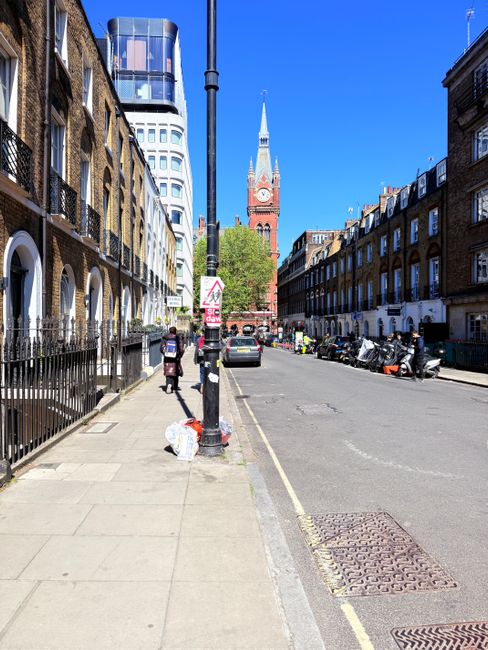
St Johns Wood High Street is busy, attractive, and very much a lived-in part of London. That matters because rubbish clearance here is not just about shifting bags from one place to another. It is about timing, access, noise, neighbours, pavement space, and making sure waste is handled in a way that fits the area and the type of property.
For households, the main issue is usually convenience. You may not have the time, vehicle access, or physical capacity to deal with bulky waste yourself. For landlords and property managers, it is often speed and presentation: a property that looks clean and ready for the next occupant. For small businesses, it can be the simple fact that waste gets in the way of trading. A back office full of old furniture or packaging waste is not just untidy; it can slow people down.
Affordable does not mean "cheapest at any cost." That is where people get caught out. A low quote can be tempting, but if it skips proper loading, responsible disposal, or clear communication, the final result may be more expensive than the original bill. You will notice the difference quickly: one service leaves you with a clear space and no faff, the other leaves you wondering what exactly you paid for. To be fair, no one wants the second option.
If you are comparing service types, it is worth understanding the wider service range first. A good place to start is the site's services overview, which helps show how different clearance jobs are typically handled across domestic, commercial, and specialist waste needs.
How Affordable rubbish clearance on St Johns Wood High Street Works
In practice, rubbish clearance is usually straightforward. You describe the waste, give a rough idea of quantity, and book a collection window. A crew arrives, loads the rubbish, and takes it away for sorting, reuse, recycling, or disposal. That is the simple version. The real value is in the detail.
Most affordable clearance jobs are priced according to a mix of volume, weight, labour, item type, and access. A small load of mixed household rubbish is very different from a flight of heavy furniture removed from a top-floor flat with no lift. Even on the same street, two jobs can cost very differently because one involves easy kerbside access and the other involves stairs, parking challenges, or careful dismantling.
For St Johns Wood High Street specifically, timing can matter quite a bit. A morning slot may be easier for access, especially if the area is already busy later in the day. Narrower windows can also help with building rules, concierge arrangements, or neighbours who would rather not hear furniture being manoeuvred around at dinner time.
A transparent pricing process is always the best sign. If you want to see how a provider typically explains quotes, the page on pricing and quotes is a useful reference point.
Some jobs are simply a one-off collection. Others need planning. For example, a landlord dealing with post-tenancy waste may need a mix of furniture removal, general rubbish collection, and perhaps appliance disposal. A homeowner clearing a loft may discover old boxes, broken items, and bits of furniture that should probably never have gone upstairs in the first place. It happens.
Key Benefits and Practical Advantages
The main advantage of professional rubbish clearance is that it saves time, effort, and repeated trips to disposal points. But the benefits go beyond convenience, especially in a high-traffic area like St Johns Wood High Street.
- Less disruption: Waste is removed in one planned visit instead of several makeshift attempts.
- Cleaner presentation: Important for homes being sold, let, refurbished, or prepared for guests.
- Better use of space: Clearing a room, basement, loft, or office can make the whole property function better.
- Improved sorting: Reputable clearance services separate reusable and recyclable materials where possible.
- Reduced manual effort: Especially useful for bulky items, heavy furniture, or awkward loads.
- More predictable costs: When quoting is clear, you can budget properly instead of guessing.
There is also a quieter benefit that people often overlook: peace of mind. If waste is removed by a licensed operator, the risk of illegal dumping or accidental non-compliance drops significantly. That matters more than most people think. Nobody wants their old sofa ending up somewhere it should not be.
Expert summary: The best affordable clearance is not the cheapest quote on paper. It is the quote that balances speed, lawful disposal, sensible sorting, and honest pricing with no surprise add-ons later.
For customers who care about waste hierarchy and responsible handling, it can also help to read the site's recycling and sustainability page. That is especially relevant if your rubbish includes items that could be reused, recycled, or diverted from landfill.
Who This Is For and When It Makes Sense
This kind of service suits a lot of people, and not just during big life events. In our experience, the most common customers tend to fall into a few groups.
- Residents clearing out flats or houses: Ideal after a move, renovation, bereavement, or spring clean that got a bit out of hand.
- Landlords and letting agents: Useful between tenancies, after left-behind items, or when a property needs a quick reset.
- Local businesses: Good for office declutters, old stock, broken furniture, and archive clear-outs.
- Builders and tradespeople: Handy for mixed construction waste, packaging, offcuts, and site tidy-ups.
- People replacing appliances or furniture: When the old item is too large or awkward to manage alone.
It also makes sense when your own time is worth more than the DIY alternative. That sounds blunt, but it is true. If you would spend half a day hiring a vehicle, loading waste, driving across London, and waiting around to unload it, an affordable collection can be the smarter spend.
If you are dealing with domestic items, the service pages for domestic waste collection and rubbish collection in St Johns Wood are particularly relevant. For bigger household jobs, house clearance and loft clearance may be a better fit.
Step-by-Step Guidance
If you want affordable rubbish clearance without drama, follow a process. It does not need to be complicated, but it should be deliberate.
- Sort what needs to go. Separate general rubbish, furniture, appliances, green waste, and building debris if you can. A mixed pile is fine, but some basic sorting helps accuracy.
- Estimate the volume. Think in terms of bags, items, or how much space the waste takes up. A quick photo often helps more than a long explanation.
- Check access. Note stairs, lift access, parking restrictions, loading distance, and any building rules. This is the sort of thing that quietly affects price.
- Ask what is included. Make sure lifting, loading, disposal, and any recycling or transfer handling are explained clearly.
- Confirm the timing. Choose a slot that fits your access needs and avoids unnecessary delays.
- Prepare the area. Put smaller items together, clear pathways, and keep anything you want to retain safely out of the way.
- Review the final quote. Check that the price still matches the agreed load and access conditions.
One small but useful tip: if you can place smaller items into one area before the team arrives, you often make the whole job faster. Faster usually means cheaper, or at least less likely to drift upward because of extra labour. Simple really.
If the waste includes heavy or awkward pieces, you may want to look at specific services such as furniture disposal, white goods and appliance disposal, or garden waste removal. Choosing the right category often makes quoting simpler and more accurate.
Expert Tips for Better Results
After enough clearance jobs, a few patterns become obvious. The best outcomes usually come from people who do a little prep before collection day.
- Take photos before booking. This helps explain the job clearly and avoids back-and-forth.
- Be honest about access. If there are three flights of stairs, say so. It matters.
- Keep hazardous items separate. Not everything can be loaded the same way. Ask if something seems unusual.
- Bundle similar items together. A pile of bags, a pile of furniture, and a pile of cardboard is easier to assess than one mixed mountain.
- Ask about reuse where appropriate. Some items may still have life in them.
- Book before the mess becomes urgent. Rush jobs are where people often pay more than necessary.
There is also a little local reality to keep in mind. On a busy stretch like St Johns Wood High Street, access can be the difference between a neat, efficient collection and a mildly stressful one. If you know the pavement is tight or the building has specific loading rules, mention it early. It saves everyone a headache.
If you want to understand how a company approaches jobs beyond the loading itself, the about us page can also help you judge whether the service feels organised, practical, and community-aware.

Common Mistakes to Avoid
The mistakes people make are usually not dramatic. They are small, avoidable things that add cost or delay.
- Assuming all rubbish is priced the same: Bulky waste, mixed loads, and access issues change the job.
- Forgetting about parking or building restrictions: That can lead to waiting time or rescheduling.
- Choosing the cheapest quote without asking what is included: A bargain can turn into a headache.
- Leaving items scattered everywhere: This slows the team down and can increase labour time.
- Mixing clearly different waste types: It is not always a problem, but it can make quoting less precise.
- Using an unlicensed collector: That is a risk you really do not need.
A common one is underestimating how much space old furniture takes up. A single wardrobe, a sofa, and a few bags can look harmless in a hallway. Then collection day arrives and suddenly the van looks smaller than your living room somehow. Happens all the time.
Another mistake is not checking the provider's waste handling standards. If you want confidence, look for clear information on the site's waste carrier licence and compliance page, and make sure any promise of disposal is explained in plain English.
Tools, Resources and Recommendations
You do not need much to organise a clearance well, but a few simple tools make the process smoother.
- Phone camera: Snap clear photos of the waste from a few angles.
- Basic room measurements: Helpful for bulky items or access planning.
- Simple inventory list: Especially useful for house clearances or office clearances.
- Separation bags or boxes: Good for small items, mixed clutter, and recyclables.
- Access notes: Door codes, concierge details, loading restrictions, and parking information.
If you are comparing service types, a useful route is to start broad, then narrow down. General waste removal is often the easiest place to begin, especially if your load contains more than one category of item. From there, specialist pages like waste removal in St Johns Wood or commercial waste removal may better match your needs.
For larger one-off jobs, it can also help to read practical pages on furniture removal and builders waste disposal. Those are especially relevant if your clearance is linked to refurbishment, redecoration, or a move.
Law, Compliance, Standards, and Best Practice
When rubbish is collected professionally, legal and environmental basics matter. You do not need to be an expert yourself, but you should expect the operator to be clear about how waste is handled.
In the UK, waste carriers should be properly authorised for the work they are doing, and waste should be transported and disposed of responsibly. As a customer, it is wise to ask how the company handles sorting, transfer, recycling, and final disposal. A reputable service should not be vague about this. If they are, that is a small warning light, not a drama, but a warning light.
Best practice also includes:
- clear pricing before work begins, where possible;
- respect for access, neighbours, and local conditions;
- safe lifting and loading practices;
- appropriate handling of items that need special attention;
- proper documentation or evidence of lawful waste management where relevant.
Safety matters too. Heavy lifting, broken items, sharp edges, and awkward stairwells can all create avoidable risk. The site's insurance and safety information is worth reviewing if you want to understand how a provider thinks about risk and duty of care.
If you care about sustainability, choose a service that talks sensibly about reuse and recycling rather than making grand claims. Practical environmental care is usually quiet, steady, and a bit unglamorous. Which is fine. It works.
Options, Methods, and Comparison Table
There are a few ways to deal with unwanted items around St Johns Wood High Street. Each one has trade-offs. The right choice depends on volume, urgency, and how much lifting you want to do yourself.
| Option | Best for | Pros | Cons |
|---|---|---|---|
| Self-haul to disposal point | Very small loads | Can be cheap if you already have transport | Time-consuming, physical effort, parking and unloading hassle |
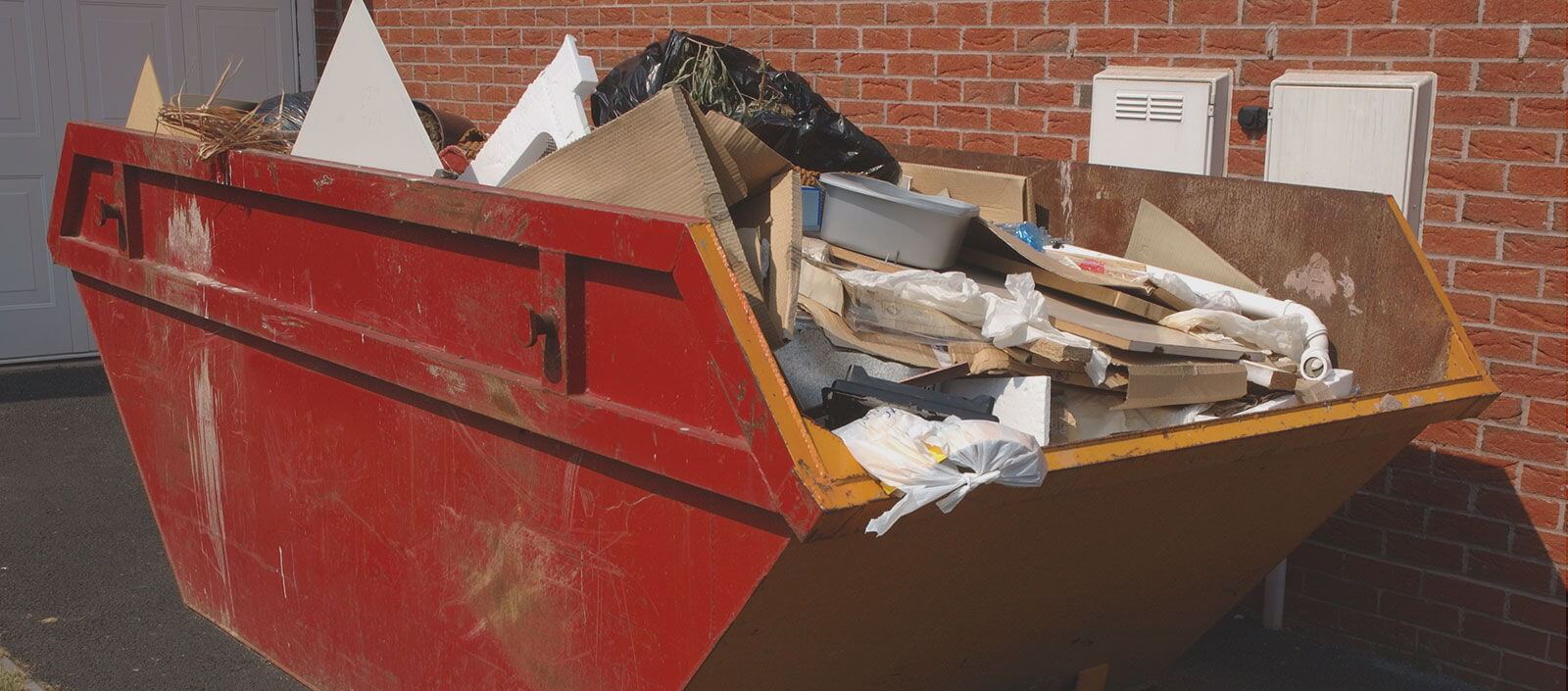
| Skip hire | Longer projects or ongoing renovation waste | Useful for repeated loading over several days | Needs space, permits may be needed, and it is not ideal for mixed bulky items |
| Man and van clearance | Mixed household or office rubbish | Fast, flexible, labour included | Price varies with access and volume |
| Specialist item collection | Furniture, appliances, garden waste, builders waste | Better handling for specific waste types | May need multiple bookings if the load is varied |
For many readers, the man-and-van style clearance is the sweet spot. It is often the most practical balance of cost and convenience, especially when items are bulky but not project-sized. On the other hand, if you are mid-refurbishment and waste is accumulating every day, a more structured approach may make more sense.
And if you are clearing a commercial space, the page on office clearance can help you think through what a business-focused collection should cover.
Case Study or Real-World Example
A landlord near St Johns Wood High Street had a one-bedroom flat between tenancies. The property itself was clean enough, but the previous occupant had left behind a broken chair, a small desk, two bags of mixed rubbish, an old microwave, and a stack of cardboard. Nothing dramatic. Just enough to be annoying.
The first instinct was to try to deal with it manually. But the flat was up one flight of stairs, parking was tight, and the landlord needed the property ready quickly for photography and viewings. Instead of piecing it together over a few days, the clearance was arranged as a single visit. The team assessed the load from photos, confirmed access, and removed everything in one go.
The practical result was simple: the flat was reset faster, the hallway was clear, and the landlord could move on to the next stage without delay. The real savings were not just in money. They were in time, stress, and avoiding a second trip back to the property. That is the kind of quiet win people are after.
It is also a good example of why specific services can matter. A mixed load like that might sit comfortably between rubbish collection and furniture disposal, depending on the final mix. The better the match, the cleaner the outcome.
Practical Checklist
Use this before you book affordable rubbish clearance on St Johns Wood High Street.
- Have you listed everything that needs to go?
- Can you separate furniture, appliances, bags, and building debris?
- Have you taken clear photos from more than one angle?
- Do you know about stairs, lifts, parking, and loading access?
- Have you checked whether any item needs special handling?
- Do you understand what is included in the quote?
- Have you asked how waste is disposed of or recycled?
- Is the booking time realistic for the property and the street conditions?
- Have you cleared a path so the team can work efficiently?
- Are you sure you are dealing with a properly compliant waste carrier?
Ticking off these basics usually saves money. Not always dramatically, but enough to notice. And that is often the difference between a tidy, efficient collection and a slightly messy experience.
Conclusion
Affordable rubbish clearance on St Johns Wood High Street is really about smart planning, clear communication, and choosing the right type of service for the job in front of you. If you know what you are clearing, understand the access, and work with a provider who explains pricing properly, the whole process becomes far simpler than most people expect.
The real goal is not just to remove rubbish. It is to regain space, reduce stress, and keep the property looking cared for. Whether it is one bulky item or a full clearance, the right approach should feel orderly and reassuring, not rushed.
One last thing: if the job feels a bit bigger than you first thought, that is normal. Most clearance jobs do. A sensible plan now saves hassle later, and honestly, that is worth a lot in a busy part of London.
Get a free quote today and see how much you can save.